 OSGFilms
The Official Media Space of Orlando S. Gondar
Action Photography Guide
Get some distance!
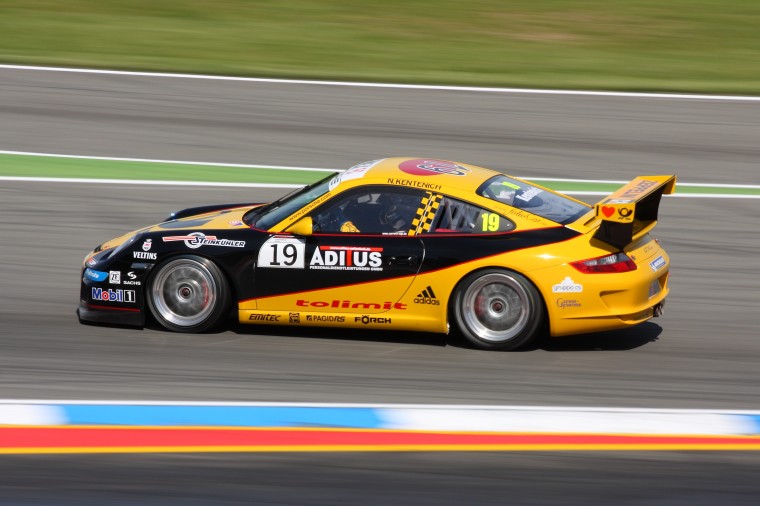
Using a long lens is often the first thing to consider when getting into action photography.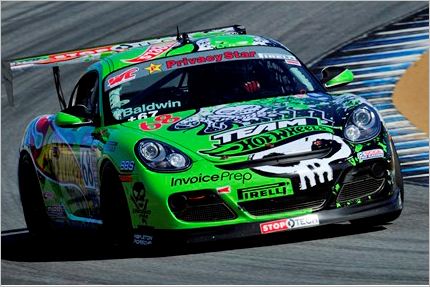 If you are too close to the action not only will you miss it due to lack of reaction speed, You will likely miss a piece of it in the frame. Using a telephoto lens will help minimize the amount of movement you are going to need to follow the action and will aid in composing the image, getting all of the action in the frame. Leaving you to focus on more important things like composition and effect rather than keeping up with the action. In cases like extreme sports or a dangerous of track race. You will be glad to have some space between you and the action.
Using the right camera helps
The right lens is a good start but if you are limited by your camera then you are going to need an upgrade in two specific areas. Two key features to good action shots is a fast reliable continuous AF and a decent Burst shoot mode which luckily can be found on many cameras out there so you may just find something in your style or price range. I have included some popular options below in order of price, low to high.
-Burst Mode will ensure that you don’t miss the action by allowing you to anticipate the perfect frame. In other words taking a burst of pictures means you get a few shots along the action so that you have higher chance of getting the frame you expected to catch. In a casual setting burst is also useful by allowing a second to pass before and after a blink for example in an other wise perfect image, applies to groups trying to hold or get the perfect moment going too.
Stabilization
The disadvantage of a telephoto lens is that you’re carrying a fair bit more weight. Extended periods are likely to make your arms ache and this will result in camera shake. Worst case scenario the cheapest tripod is the strap pulled away from your neck, but the best choice for mobility and support is a monopod for a much better half way solution to remain mobile while proving support. If you are at an event, like a sporting event, simply sitting will add a lot of stabilization to your shot. In other cases see if kneeling can help, this can especially be useful if it’s not on the long turn.
Stop motion with high shutters speeds
If you want to achieve a sharp focus especially in daylight settings, a fast shutter speed will be a key element in your arsenal. For most sports you may want to be at least around 1/250 but even a bit higher is possible if the light will allow for it. Most sports photography you see is often shot at around at 1/800 to 1/1250sec shutter, or at least is the popular consensus.
Use Slower Shutters speeds for creative blur
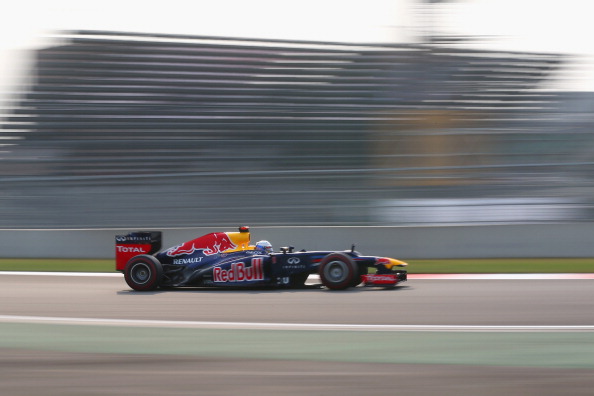 Sometimes simply freezing subject or scene for that matter is not the best approach. In many situations a little blur can heighten the action by suggesting speed and motion. For example allowing for some motion blur in the photo can dramatize the action and direction of the subject heightening the drama or effect. Cars, horse races, vehicle shots can be dramatized with this technique. Try speeds of 1/60 but in this case you will almost certainly need the monopod, tripod, or other stabilization options to pull of successfully.
Pre Focus
In situations where you know your subject is going to crossing a certain point or has predictable movements. Try focusing in that spot BEFORE the subject gets to it, allowing you to simply weight for the perfect moment to click rather than fumble the focus or lenses movements. If you are on auto focus, this will especially take the pressure of the camera to do the focus work for you. Remember and try to use a single focus point rather than mutli focus points to stay on subject and on point!
 Use Facebook
 WordPress Comments
 Use Google


Facebook Comments